Many people view missing teeth as purely an aesthetic concern. However, they also cause functional problems. The space created by tooth loss leads to the migration and shifting of adjacent and opposing teeth. The neighboring teeth tend to fill the space created by tooth loss. This alters the bite and, in turn, affects your teeth’s overall chewing capacity.
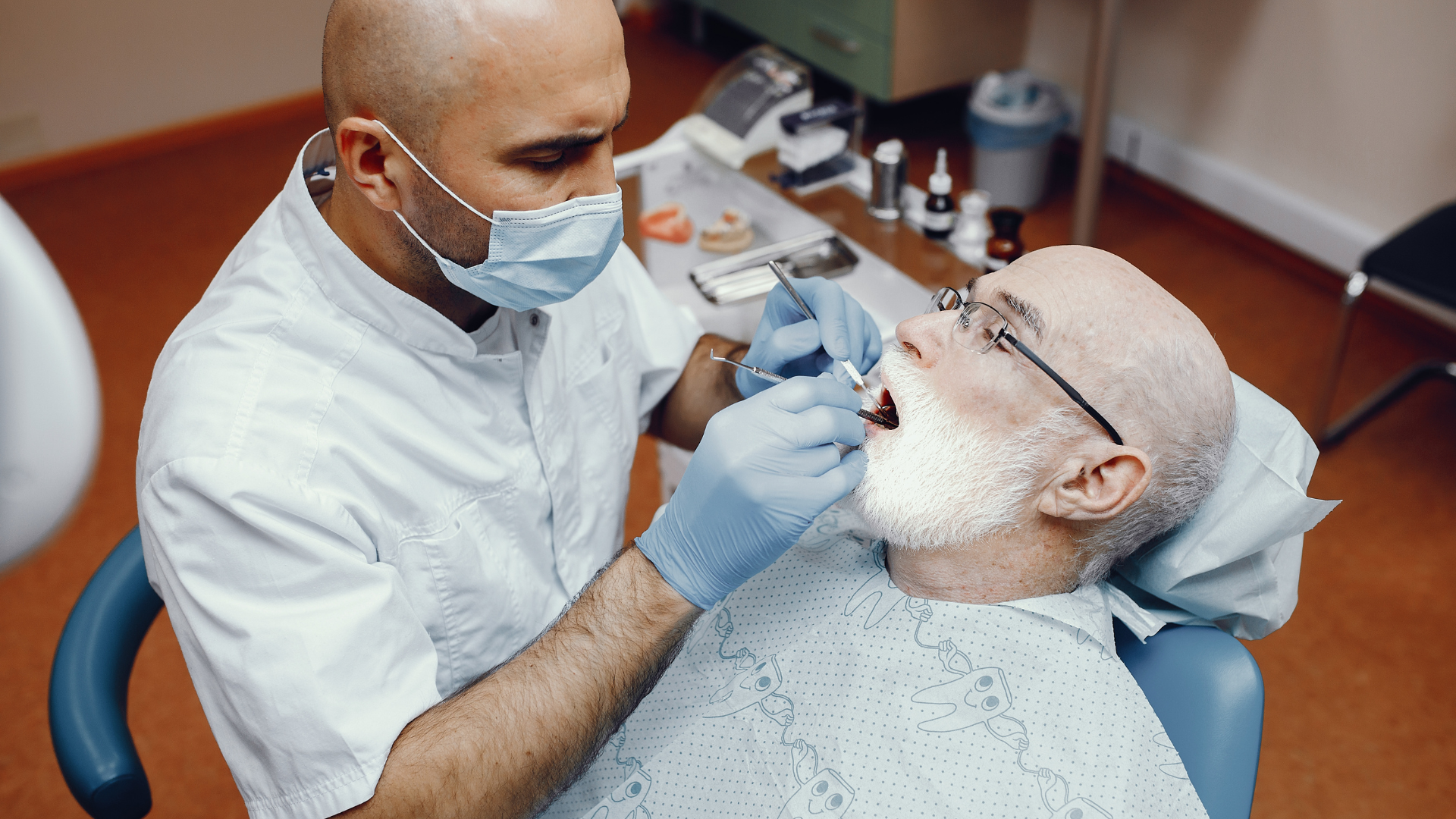
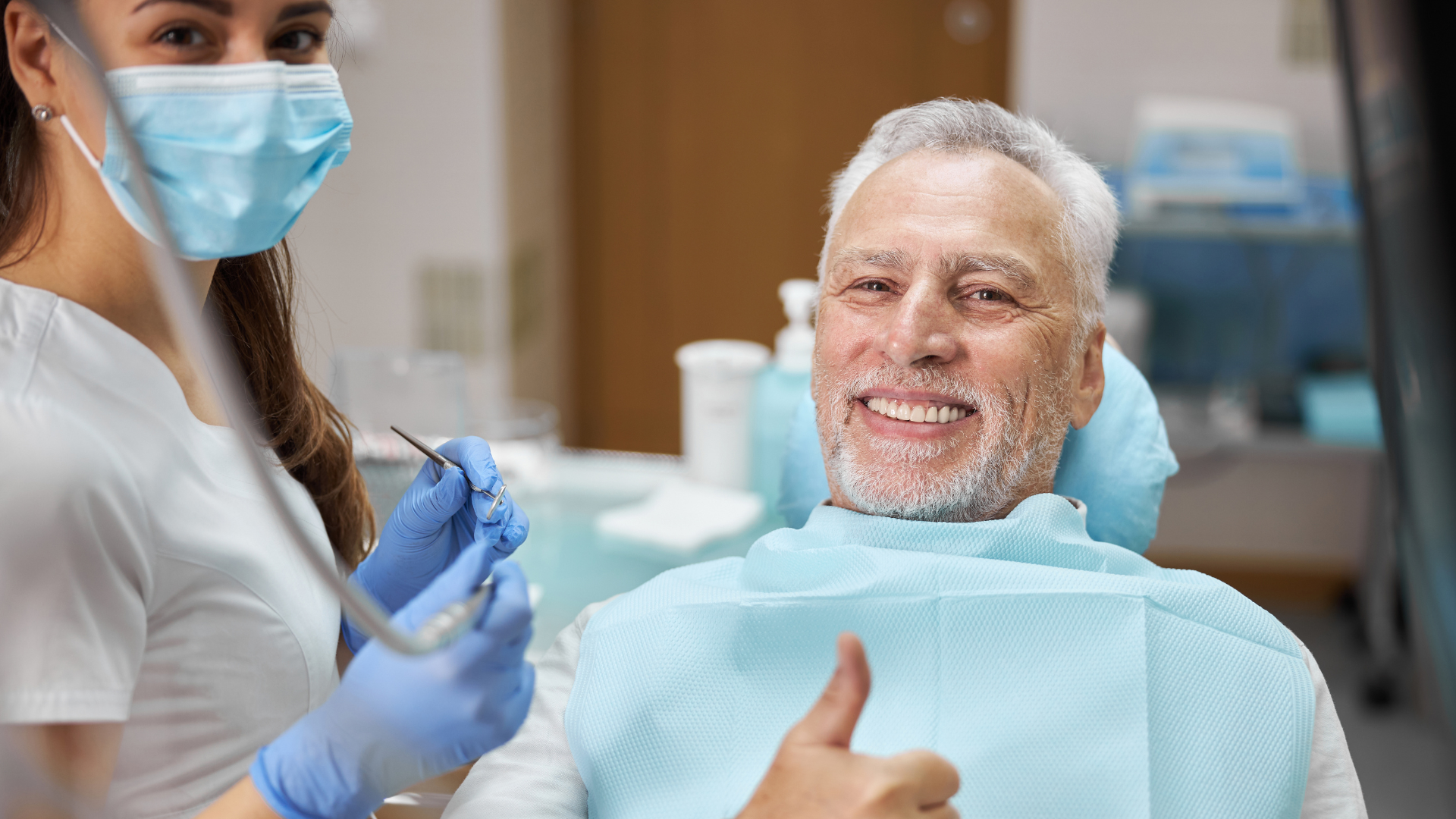
Implants are tiny screws or post-like structures that serve as artificial roots. They are directly inserted into the jawbone and do not need any support from the neighbouring teeth.
Dental bridges are also a fixed option for replacing teeth, but they require support from adjacent teeth.
Implants, however, can replace one or more teeth without support from adjacent teeth. There is a specific bone width and density required for dental implant placement; therefore, it is important to complete a comprehensive dental evaluation to determine your eligibility.
Traditional implants require multiple settings to be finalized. With the advancement of technology, we now have immediate loading implants as well, in which the tooth is extracted, and implants are placed in the same sitting itself.
Based on the clinical and radiological analysis, our team helps you develop a customized treatment plan. There are various types of dental implants available to meet specific needs.
Dental implants feel and look natural. They serve as artificial roots on which the implant crown is placed. The replacements look aesthetic and natural in shape, size, and color, mimicking natural teeth.
Implants help restore the biting and chewing capacity of your teeth. You can enjoy your favorite food with a bite force nearly equal to that of nature. Dental implants are the best way to restore tooth function, including chewing.
Dental implants feel and look natural. They serve as artificial roots on which the implant crown is placed. The replacements look aesthetic and natural in shape, size, and color, mimicking natural teeth.
With tooth loss, the jawbone also tends to deteriorate over time. It leads to reduced bone width and density. Dental implants rely on osseointegration, in which new bone forms around the implants. It helps reduce bone loss and preserve the remaining jawbone. It is important to restore the jawbone. Maintain the youthful appearance of your facial structure by preventing significant deterioration of the jawbone.
Dental implants are a durable and long-lasting solution. With proper care and maintenance, they're designed to last a lifetime.
Aftercare is simple and similar to that for natural teeth. You do not need any special tools to maintain the dental implants in good condition. Dental implants are resistant to caries, but we need to keep the area around the implants clean. To that end, maintain regular brushing and flossing to maintain optimal dental hygiene.
Implants are fixed in the bone, and there is no risk of slippage, unlike removable dentures. You can enjoy your favorite food without the risk of embarrassment.
With implants, you can enjoy your regular food with comfort. There are no diet restrictions with implants. However, in the initial phase, you must maintain a soft diet to support healing. Over time, you can return to your regular diet.
Implant placement is a comfortable, painless method for replacing missing teeth. It is a minor oral surgical procedure done under local anesthesia, and you can resume your regular activities after the placement of implants. There is no need for any hospital administration after the surgery.
The missing tooth replacement is an effective way to avoid such complications in the long term. There are various methods for replacing missing teeth.
A dental implant is the latest and most advanced approach, similar to other organ transplants. Dental implants can be considered a form of tooth transplantation.
Your natural tooth consists of two portions:
A dental implant functions as an artificial root, with a crown placed on top to replace your missing teeth.
Implants are resistant to decay, but we must preserve the area around the implants to maintain good gum health. Regular brushing and flossing are all you need to maintain optimum dental hygiene.
Learn the proper technique for brushing. Use a soft-bristled brush with fluoridated toothpaste. Incorporate flossing into your routine to clean the areas between the implants and adjacent teeth. If you are not comfortable with thread flossing, use a water flosser.
Go for a regular follow-up schedule with our team to monitor the progress of implant placement. Regular follow-ups help us detect early signs of soft-tissue inflammation around the implants, enabling prompt action to prevent future damage.
Implants are tiny screws or post-like structures that serve as artificial roots. They are directly inserted into the jawbone and do not need any support from the neighbouring teeth.
Implants, however, can replace one or more teeth without support from adjacent teeth. There is a specific bone width and density required for dental implant placement; therefore, it is important to complete a comprehensive dental evaluation to determine your eligibility.
Dental implants are a durable and long-lasting solution. With proper care and maintenance, they’re designed to last a lifetime.
Implant placement is a comfortable, painless method for replacing missing teeth. It is a minor oral surgical procedure done under local anesthesia, and you can resume your regular activities after the placement of implants. There is no need for any hospital administration after the surgery.
For the placement of dental implants, you do not need any support from the neighboring teeth. We need a healthy jawbone to place traditional implants. However, in cases where bone volume is insufficient, we offer alternative implant options, such as pterygoid and zygomatic implants, to replace the missing teeth.
Implants are resistant to decay, but we must preserve the area around the implants to maintain good gum health. Regular brushing and flossing are all you need to maintain optimum dental hygiene. Learn the proper technique for brushing. Use a soft-bristled brush with fluoridated toothpaste. Incorporate flossing into your routine to clean the areas between the implants and adjacent teeth. If you are not comfortable with thread flossing, use a water flosser.
With implants, you can enjoy your regular food with comfort. There are no diet restrictions with implants. However, in the initial phase, you must maintain a soft diet to support healing. Over time, you can return to your regular diet.
Fill in your details and we will get back to you shortly.
If you are looking for a missing tooth replacement, then implants are a durable, long-lasting option. Book your appointment with our team for dental implants. Our team will help you with a customized treatment plan to achieve your dream smile with Dental Implants in Greater Kailash 1 Delhi.