
A healthy mouth is not just about sparkling white teeth. A healthy mouth comprises of healthy teeth and gums, which are disease-free. Regular brushing is essential for good oral hygiene, but it may not be enough to keep your gums healthy. We need professional teeth cleaning to keep your gums healthy.
We all know that regular brushing is important for maintaining good oral hygiene, but is it enough? Even with regular brushing, plaque can accumulate.
Plaque is a thin, slimy, yellow layer that is deposited on the surface of the teeth and contains bacteria and food debris. Plaque cannot be removed easily with brushing; therefore, you require professional teeth cleaning or ultrasonic scaling.
If not removed promptly, plaque can become calculus (tartar), a calcified form that irritates the gums.
The best way to prevent such complications in the future is to have professional teeth cleaning. There are two main types of dental scaling: prophylactic and deep cleaning.
The most common sign of gum problems is bleeding from the gums when lightly pressed. You may notice bleeding from the gums during routine activities such as brushing or eating raw fruits and vegetables. The bleeding is not profuse and is very subtle, but it should be reported immediately to our experts for proper diagnosis.
Gum swelling is another common sign that gum problems have begun. Regular dental check-ups are essential to catch these early signs. Changes in gum consistency are an early sign, and by taking appropriate steps to manage them, we can prevent future complications.
Bad breath or halitosis is another common sign of poor oral hygiene. This is a reminder to schedule a professional teeth cleaning to remove bacteria that cause foul odors in your mouth.
Prophylactic cleaning
Prophylactic dental cleaning is recommended for everyone every 3-4 months. It helps prevent plaque and tartar buildup in the first place.
It eliminates the risk of gum problems. The session usually takes 20-30 minutes, and the aim is to prevent gum problems from developing in the first place.
Deep cleaning
Deep cleaning is performed for moderate to severe gum disease. We can use hand instruments to remove the infected gum lining.
The procedure is painless and is done under local anesthesia. It is done to remove the infected portion and promote healing.
Deep cleaning is not recommended for everyone and requires a comprehensive clinical evaluation to determine eligibility for the procedure.
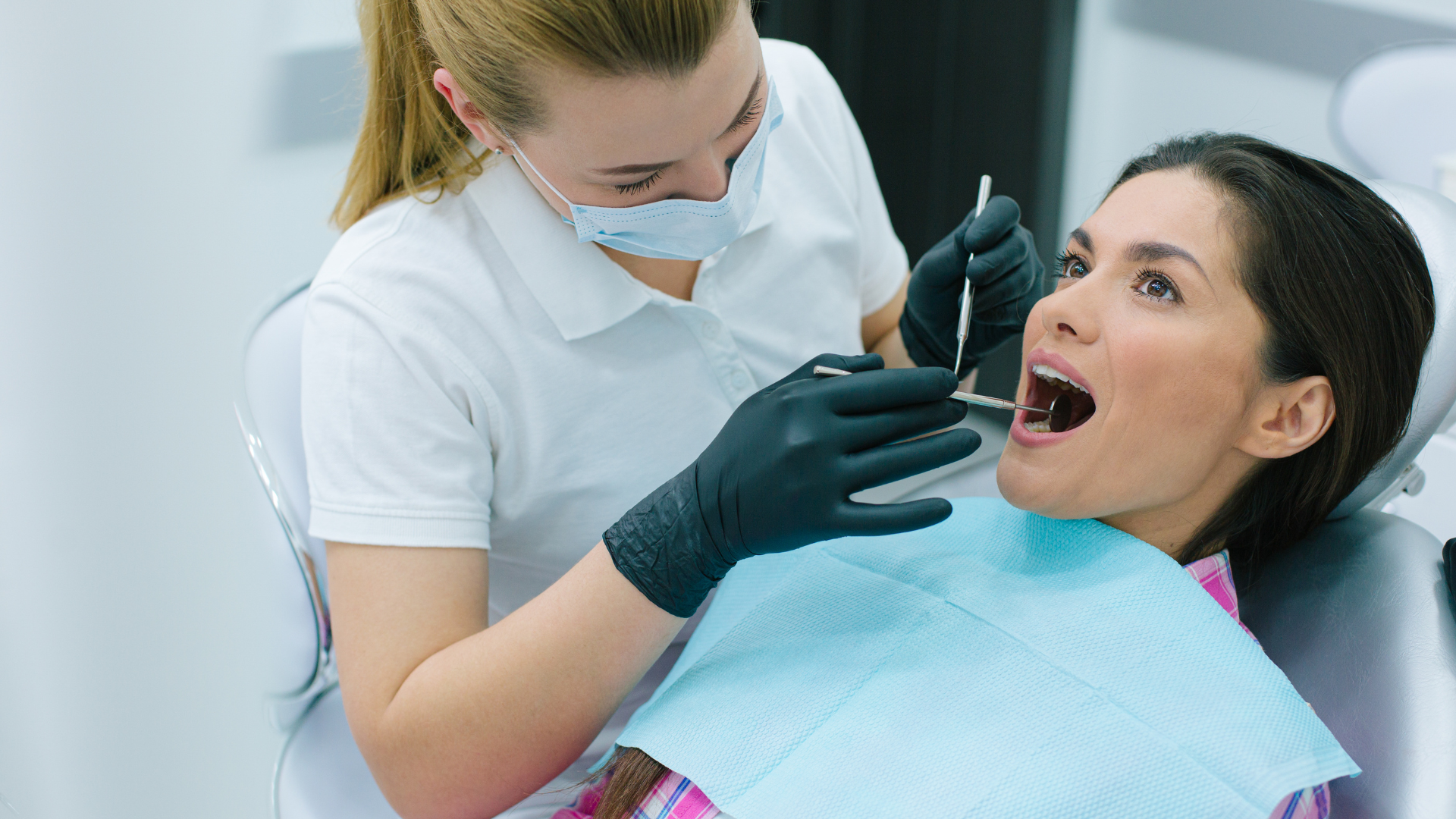
The process starts with a comprehensive clinical examination of your teeth and gums. Our team will clinically assess your current dental status and customize the treatment plan for you.
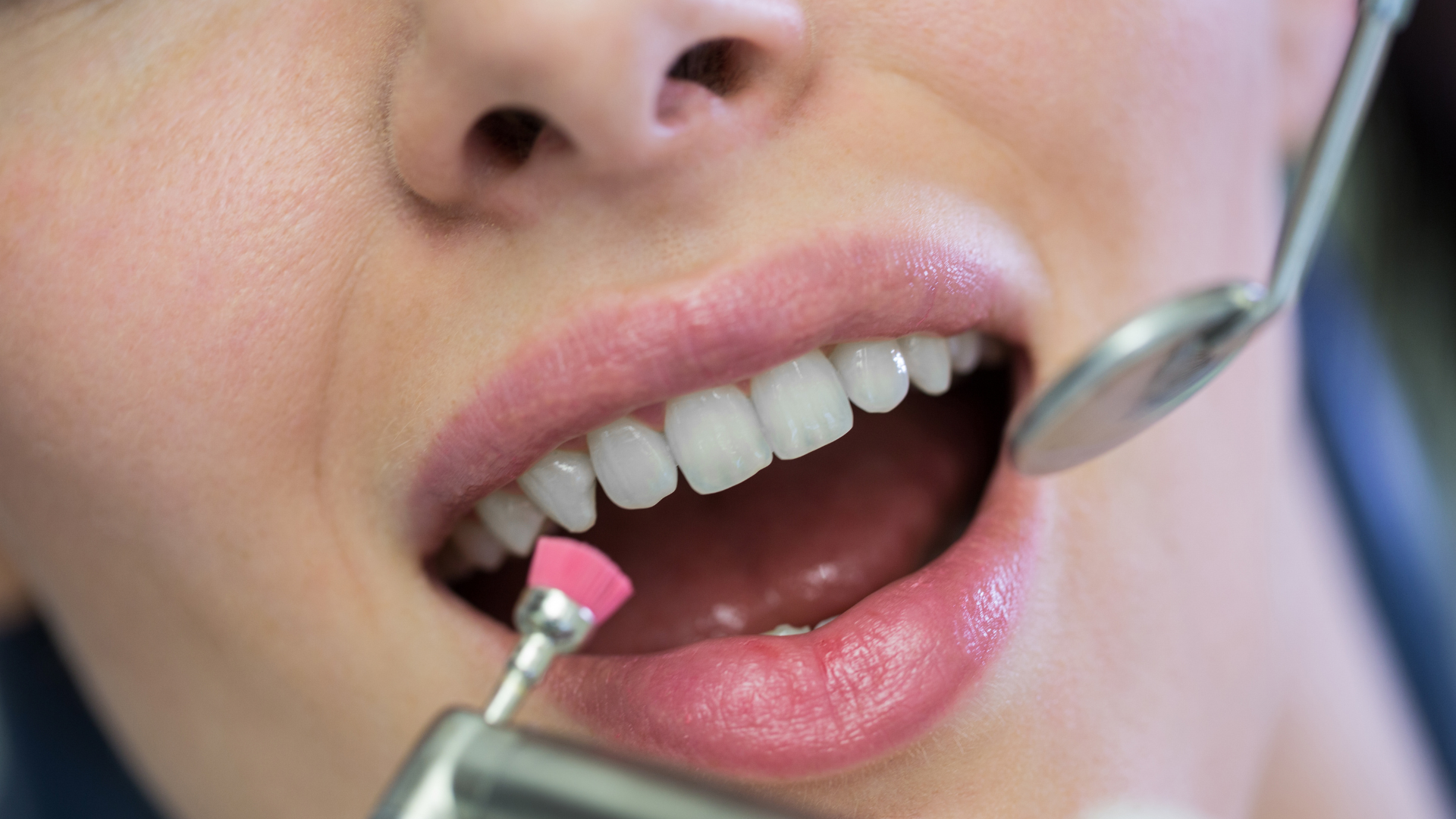
Depending on the current state, the treatment plan can be personalized. Prophylactic teeth cleaning is performed using an ultrasonic scaler. The tip dislodges deposits from the teeth, typically followed by teeth polishing.
Polishing helps keep teeth surfaces smooth, reducing the risk of plaque accumulation in the future.
Gum problems begin with changes in gum colour and texture due to plaque and tartar deposits.
In the early stages, gum problems are limited to the soft tissues, whereas in advanced cases they extend to the supporting tissues of the teeth and can lead to tooth mobility.
Do regular brushing with the correct technique. Use a soft-bristled toothbrush with a non-abrasive toothpaste. Dental flossing is a must to clean the interdental areas. If you are not comfortable with thread flossing, use a water flosser.
Regular follow-ups with our team help in detecting early signs of gum disease. It is best to attend the follow-up visits and also get your prophylactic teeth cleaning sessions done at regular intervals, as suggested by our team.
After professional teeth cleaning, aftercare is simple and similar to your regular hygiene routine. Prophylactic dental cleaning is recommended for everyone every 3-4 months. It helps prevent plaque and tartar buildup in the first place.
Regular brushing is essential for good oral hygiene, but it may not be enough to keep your gums healthy. We need professional teeth cleaning to keep your gums healthy. Even with regular brushing, plaque can accumulate. Plaque cannot be removed easily with brushing; therefore, you require professional teeth cleaning or ultrasonic scaling.
The number of settings required for teeth cleaning depends on: The initial status of your teeth. The severity of the gum problems. If there are higher deposits of plaque and tartar, we might need more than a single setting. It is best to get your complete evaluation to learn more.
The whole process is completely safe and painless. The ultrasonic scaler vibrates and does not cause any pain or discomfort. The process is comfortable; you may feel vibrations on your teeth, but it is not painful. The deep cleaning sessions are done under local anesthesia and are painless.
After professional teeth cleaning, aftercare is simple and similar to your regular hygiene routine. Do regular brushing with the correct technique. Use a soft-bristled toothbrush with a non-abrasive toothpaste. Dental flossing is a must to clean the interdental areas. If you are not comfortable with thread flossing, use a water flosser.
Based on your current dental status, we can customize a treatment plan for you. It is essential to undergo a comprehensive dental evaluation to understand the situation better.
Fill in your details and we will get back to you shortly.
Based on your current dental status, we can customize a treatment plan for you. It is essential to undergo a comprehensive dental evaluation to understand the situation better.